Global Medical Equipment Exporter · UK · EU · Africa · GCC
Global Medical Equipment Exporter · UK · EU · Africa · GCC

1 / 4
CE Marked European conformity for medical devices
ISO 13485 Medical device quality management system
Questions about this product?
— our team will reach out.
Dental Equipment · Extraction Forceps
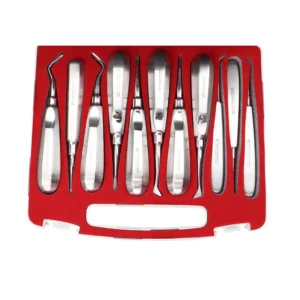
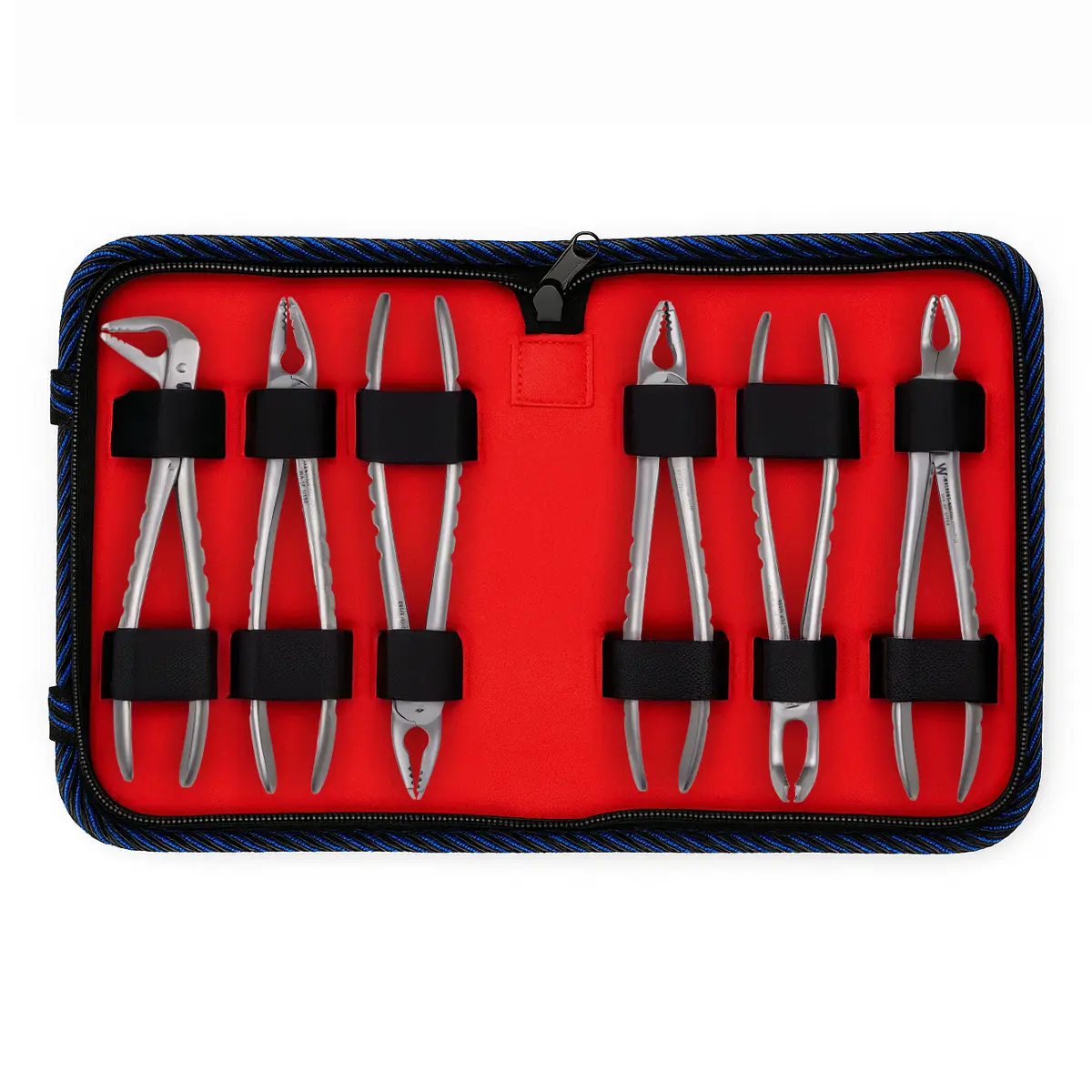
Waldent Atraumatic Extraction Instruments Forceps Kit Set of 6
$159
Secure anatomical grip: coarse serrated beaks firmly engage the tooth surface to minimize slippage during extractions.:
Atraumatic tooth removal: wedge-shaped beak geometry expands the alveolar socket gradually, preserving surrounding bone and reducing root fracture risk.:
Premium construction: surgical-grade stainless steel for exceptional durability, corrosion resistance, and repeated autoclave sterilization at 135°C.:
Ergonomic handling: balanced handles transfer force from wrist to arm, improving clinician comfort during lengthy surgical procedures.:
Top Highlights
- Product Type
- Atraumatic Extraction Forceps Kit
- Brand
- Waldent
- Quantity
- 6 Instruments
- Beak Design
- Coarse Serrated
- Material
- Surgical Grade Stainless Steel
- Sterilization
- Autoclavable at 135°C
- Latex-Free
- Yes
- Intended Use
- Professional Dental Surgery (Rx)
- Quality
- CE Marked, ISO 13485
Guaranteed Safe And Secure Checkout








The Waldent Atraumatic Extraction Forceps Kit provides six specialized instruments for safe, controlled tooth extractions with an emphasis on minimizing trauma to surrounding bone and soft tissue. Coarse serrated beaks engage the tooth surface securely, while the wedge-shaped beak geometry expands the alveolar socket progressively without excessive compressive force. Manufactured from premium surgical-grade stainless steel, the kit supports routine and atraumatic extraction techniques across both the upper and lower arch, for general dentistry and oral surgery alike.
6
Specialized forceps
Coarse
Serrated beak grip
135°C
Autoclave rated
Full
Upper and lower arch
Key features
1
Coarse Serrated Beaks
Deep internal serrations give a firm mechanical grip, reducing slippage and allowing controlled socket expansion.
2
Atraumatic Geometry
Wedge-shaped beaks progressively expand the socket with reduced pressure on surrounding bone and soft tissue.
3
Six Arch-Specific Forceps
Upper and lower instruments for universal, anterior, and molar applications across the full dentition.
4
Ergonomic Balanced Handles
Handle geometry transfers force from wrist to arm, improving control and reducing fatigue during lengthy procedures.
| Instrument Category | Reusable Surgical Instrument |
| Beak Design | Coarse Serrated |
| Material | Surgical Grade Stainless Steel |
| Sterilization Temperature | 135°C |
| Latex Content | 100% Latex-Free |
| Sterility Status | Non-Sterile. Sterilize before first and all subsequent clinical uses. |
This kit is manufactured under an ISO 13485-certified quality management system and carries CE marking for applicable medical device requirements. Please verify local regulatory requirements before purchase.
CE
Marked European conformity for medical devices
ISO
13485 Medical device quality management system
1
Select the Forceps: Choose the correct instrument for the tooth being extracted based on arch and tooth type.
2
Seat the Beaks: Position the beaks as apically as possible on the root surface, below the gingival margin.
3
Apply Controlled Pressure: Apply firm apical pressure to engage the beaks securely before beginning luxation movements.
4
Luxate the Socket: Use controlled buccal and lingual movements to progressively expand the socket and loosen the tooth.
5
Complete the Extraction: Apply steady traction and, where anatomy allows, gentle rotational movement to complete removal.
6
Clean and Sterilize: Process instruments through ultrasonic cleaning and autoclave sterilization before next use.
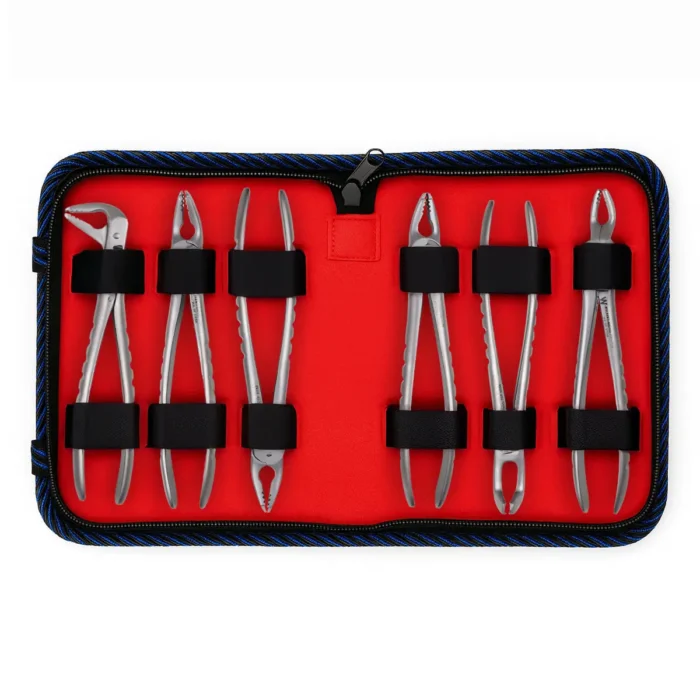
- 1 × WA-1F Upper Universal Forceps
- 1 × WA-2F Lower Universal Forceps
- 1 × WA-3F Upper Anterior Forceps
- 1 × WA-4FN Lower Anterior Forceps
- 1 × WA-6F Upper Molar Forceps
- 1 × WA-7CF Lower Molar Forceps
- 1 × Protective Zippered Storage Case
Clinicians
General Dentists
Oral Surgeons
Dental Students (supervised)
Settings
Dental Clinics
Oral Surgery Centres
Dental Hospitals
Teaching Institutions
Procedures
Routine Maxillary Extractions
Routine Mandibular Extractions
Atraumatic Extractions
Pre-Implant Bone Preservation
Compromised Crown Extractions
Sterilize Before First Use
All instruments are supplied non-sterile. Clean and autoclave at 135°C before initial and all subsequent clinical uses.
Inspect Before Use
Check beaks and hinges before each procedure. Worn serrations or damaged pivots indicate the instrument should be replaced.
Not for Impacted Teeth
These forceps are intended for routine extractions. Impacted teeth require specialized surgical instruments and elevation technique.
Store in Case
Return instruments to the zippered storage case after sterilization to protect beaks from contact damage.
Professional use only: These are prescription-grade dental surgical instruments intended exclusively for use by qualified dental professionals. Instruments are supplied non-sterile and must be cleaned and autoclaved before first and all subsequent clinical uses. These forceps are not intended for impacted teeth, which require specialized surgical instruments. Excessive force, incorrect instrument selection, or improper technique may result in root fracture, alveolar bone damage, or patient injury. Always follow current infection control protocols and local regulatory requirements.
Questions
Frequently Asked Questions
Coarse serrations provide a deeper mechanical grip on the tooth surface, reducing slippage and allowing more controlled socket expansion with less compressive force on surrounding bone.
An atraumatic extraction focuses on preserving surrounding bone and soft tissue by using controlled, progressive movements rather than excessive compressive force, making it particularly suitable before implant placement.
Maintaining alveolar bone volume supports faster socket healing and provides a better structural foundation for future implant treatment when required.
No. These forceps are intended for routine extractions. Impacted teeth generally require specialized surgical instruments and elevation techniques beyond the scope of this kit.
Yes, under the supervision of qualified dental professionals in a clinical training setting.
Replacement depends on clinical usage. Instruments should be replaced if the serrations become worn or damaged, or if the pivot joint no longer provides secure beak control.
Steam autoclave sterilization at 135°C is recommended. Keep instruments open during ultrasonic cleaning and dry thoroughly before sterilization.
Seat the beaks apically, apply firm apical pressure to engage the serrations, use controlled buccal and lingual luxation movements to expand the socket, then apply steady traction with gentle rotation where anatomy allows to complete the extraction.
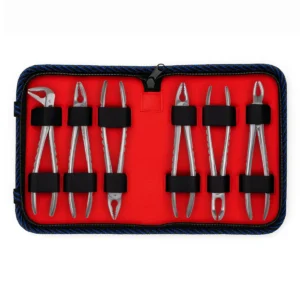
Waldent Atraumatic Extraction Instruments Forceps Kit Set of 6
Product Type: Atraumatic Extraction Forceps Kit
Quantity
Prefer a call instead? Request a callback