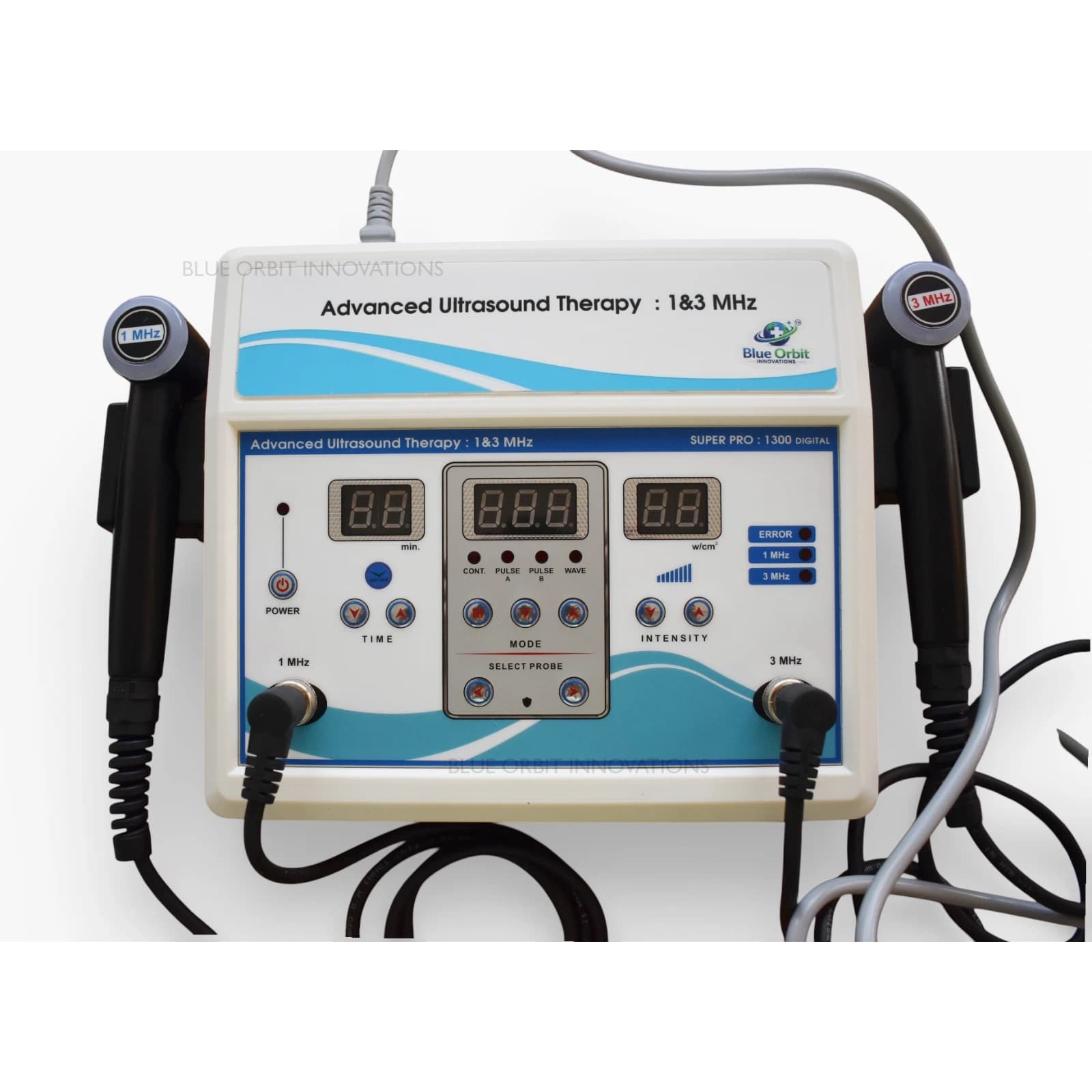
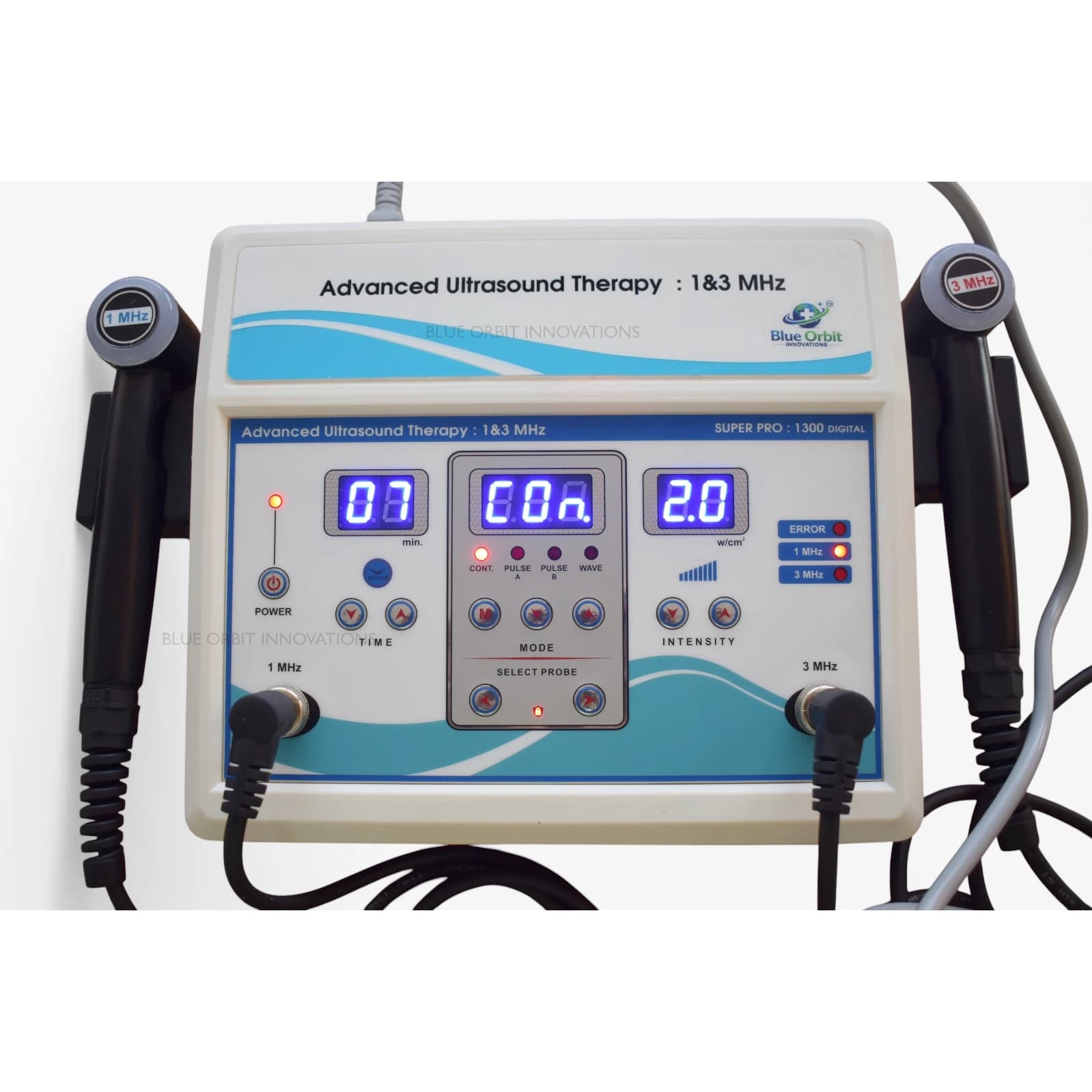
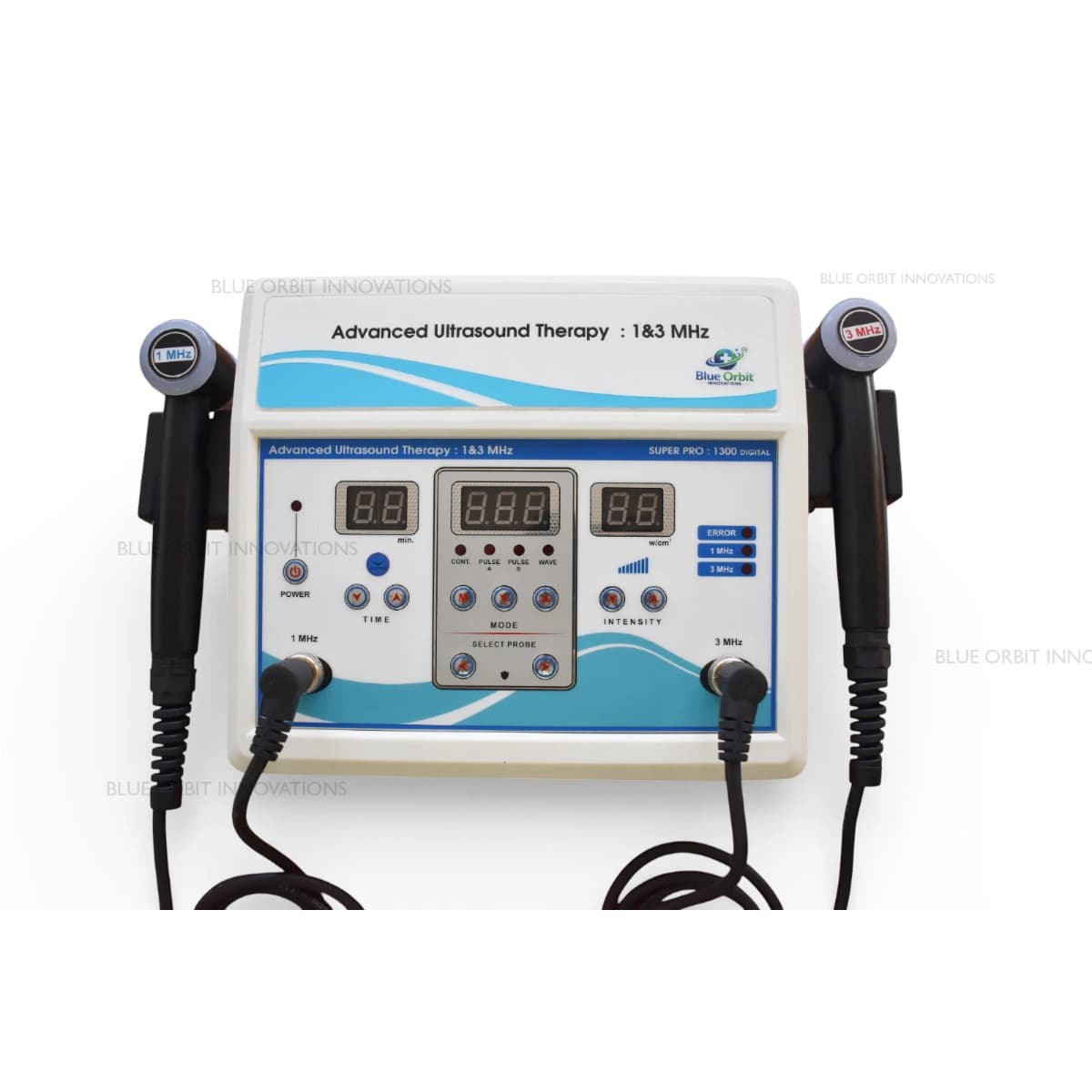
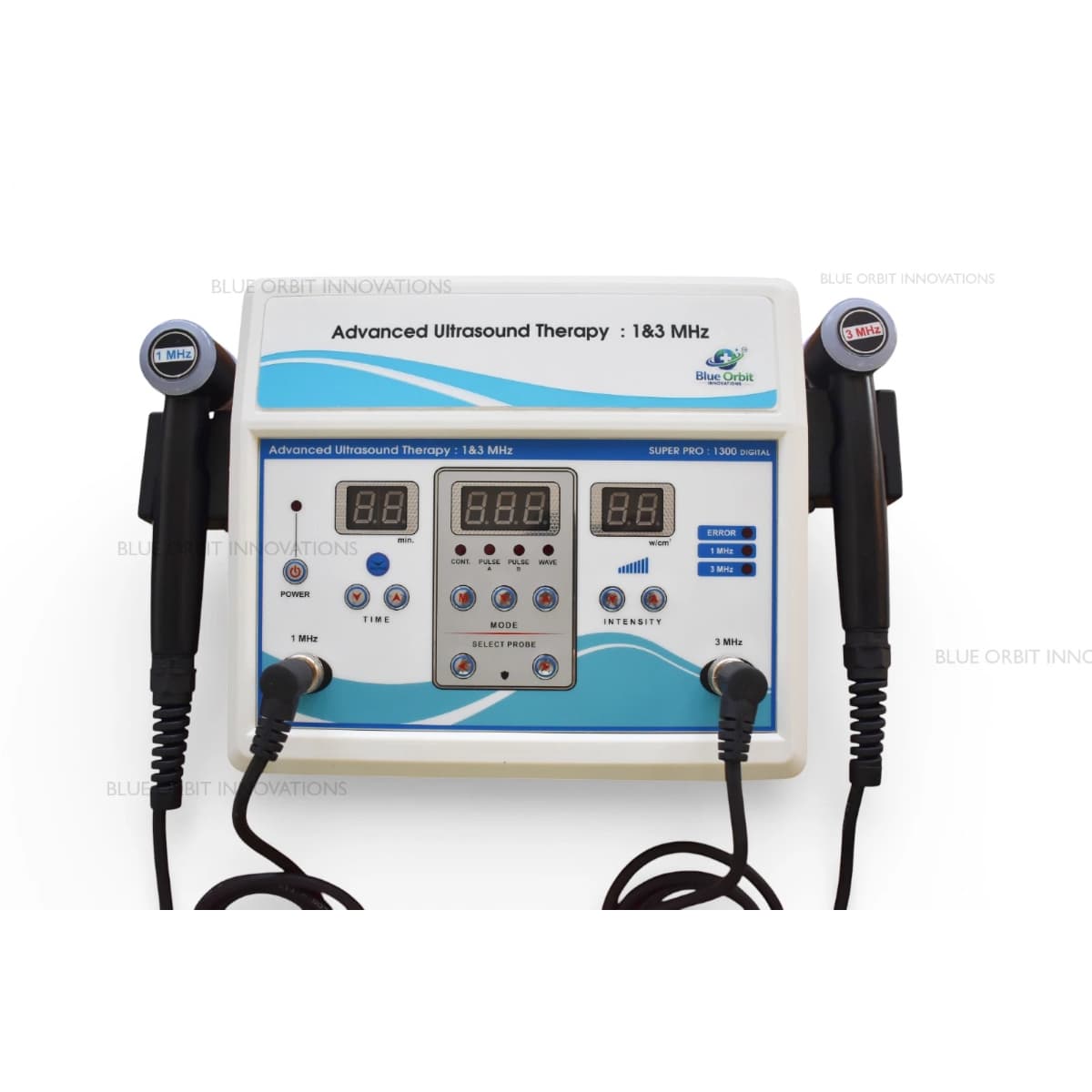
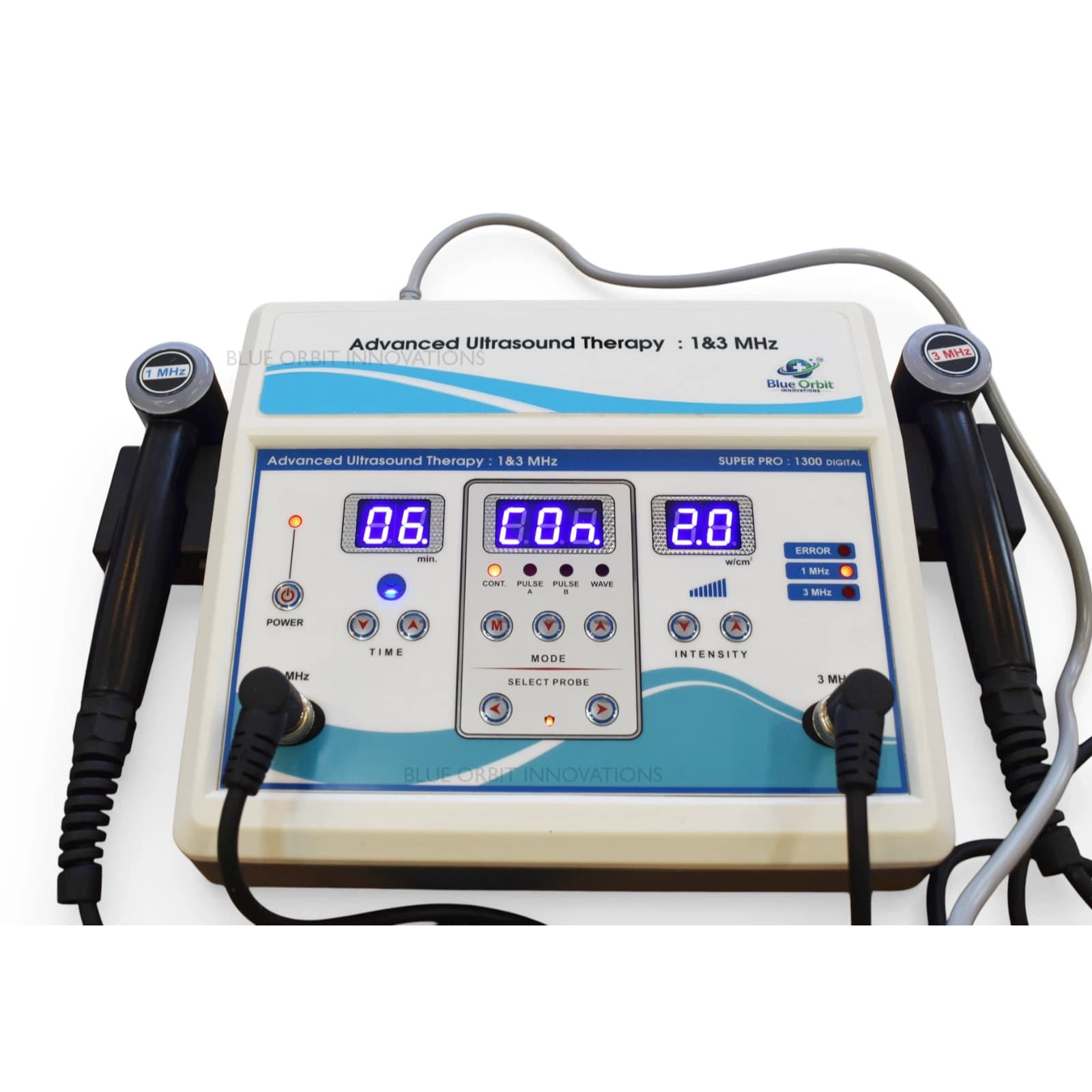
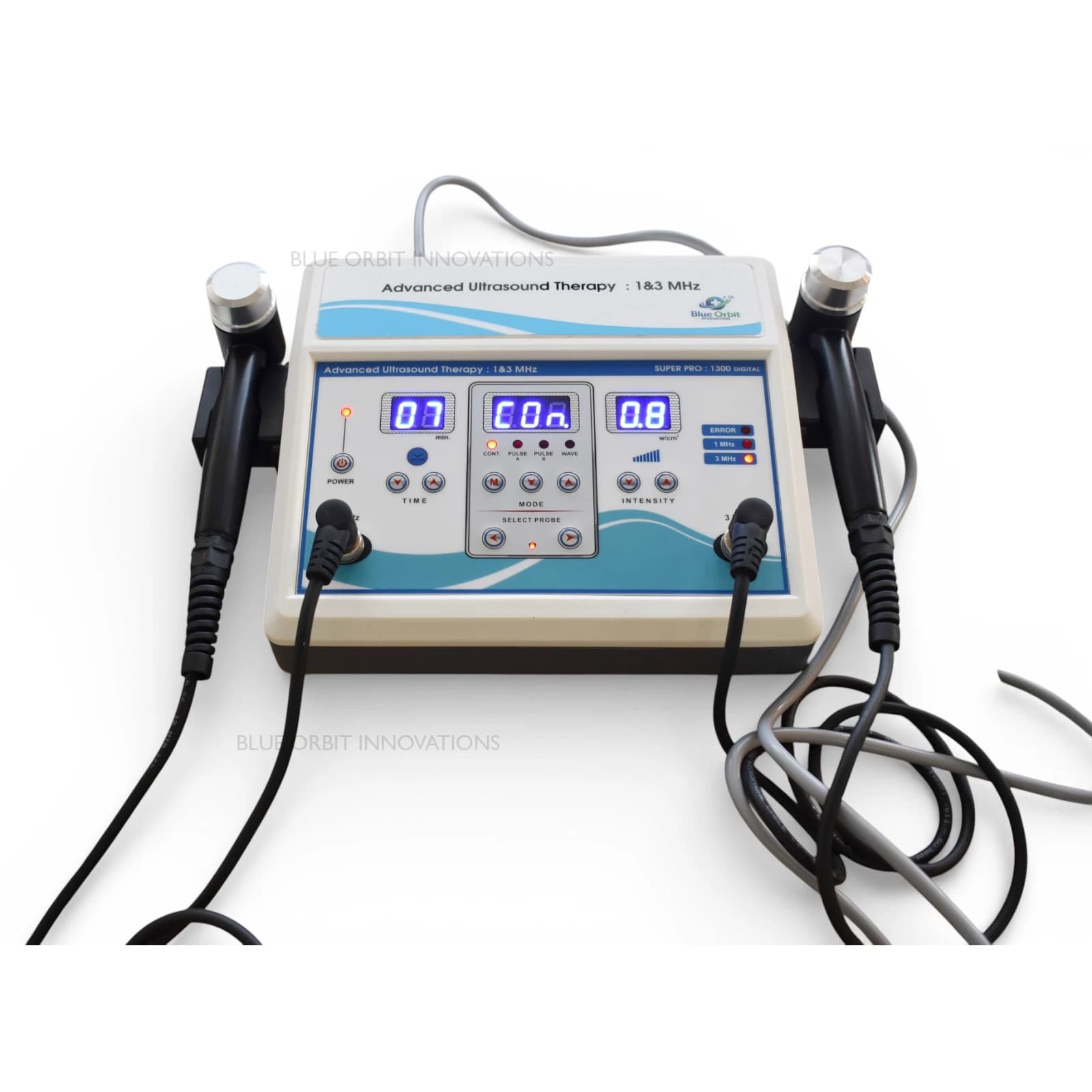
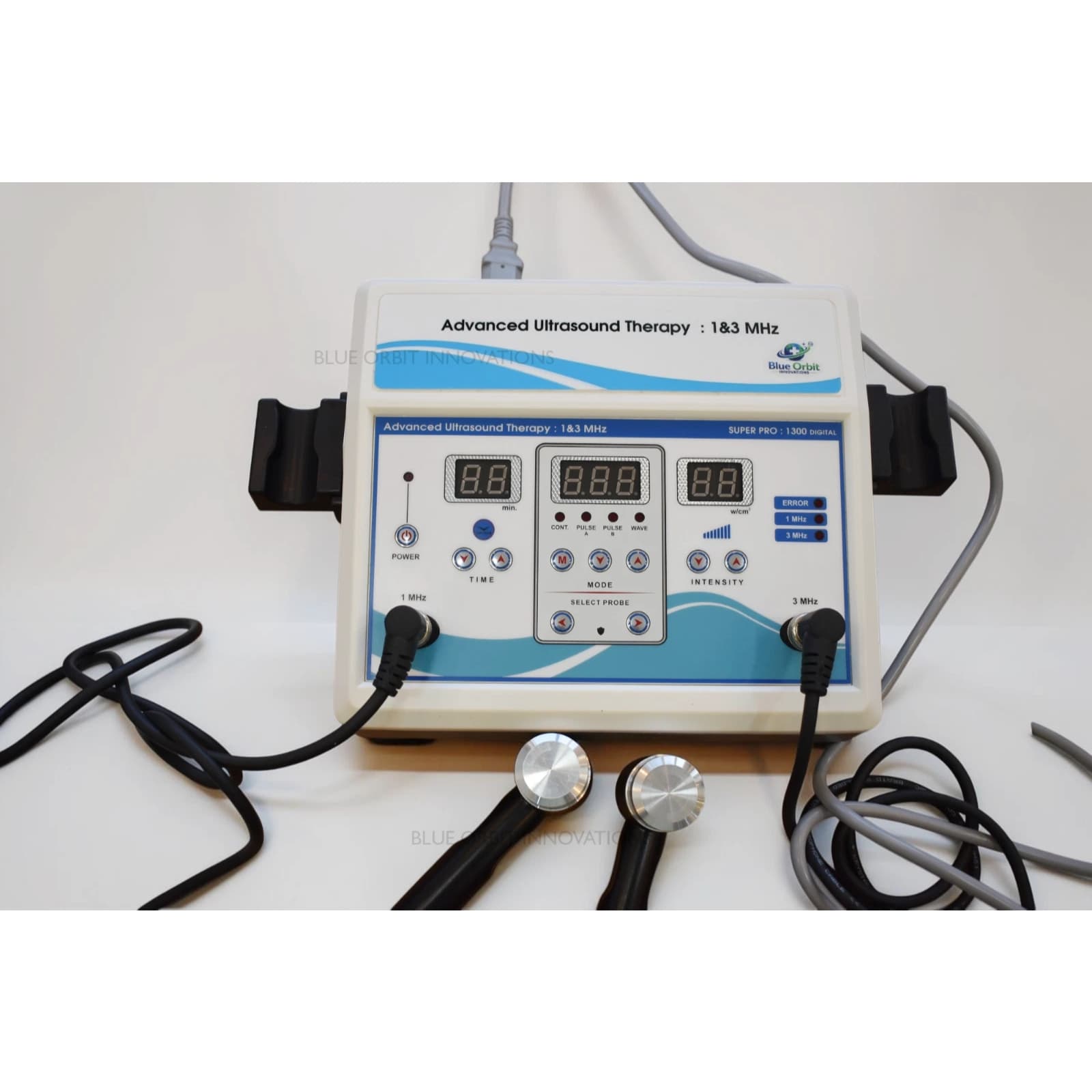
The Super Pro 1 & 3 MHz Unit is an advanced dual-frequency system made specifically for professional clinical environments. It is designed to facilitate precise acoustical energy transfer. This unit provides practitioners with the versatility to address deep-seated muscular pathologies as well as superficial soft tissue lesions.
Integrating selectable 1 MHz and 3 MHz frequencies, the device allows for highly targeted thermal and non-thermal mechanotherapy. The system supports optimal tissue absorption rates, promoting localized hyperemia and accelerated tissue repair. Its compact footprint makes it an excellent portable ultrasound therapy machine for mobile practitioners who require reliable clinical equipment on the go. The integration of continuous and pulsed wave outputs ensures therapy can be tailored precisely to the acuity of the patient's condition to offer a comprehensive rehabilitation solution.
Product Uses
The clinical applications encompass a broad spectrum of pathological conditions. Practitioners utilize the sound waves to achieve specific physiological outcomes based on the presenting symptoms.
- Musculoskeletal Pathologies: High-frequency sound waves help resolve acute and chronic soft-tissue injuries, including lateral epicondylitis and Achilles tendinopathy. The acoustic energy facilitates collagen extensibility for treating joint contractures and adhesive capsulitis.
- Chronic Pain Management: As a dedicated ultrasound device for pain, the system disrupts pain and spasm cycles. It is applied to paraspinal musculature to alleviate myofascial trigger points and mitigate osteoarthritis symptoms.
- Post-Surgical Rehabilitation: Controlled acoustic energy accelerates tissue healing phases. It softens hypertrophic scar tissue, increases local vascularity, and safely reduces post-operative edema without placing mechanical stress on incisions.
- Neurological Applications: The mechanical effects assist in managing nerve entrapment syndromes. Application over the carpal tunnel reduces surrounding tissue inflammation, relieving pressure on the median nerve.
- Phonophoresis: In phonophoresis, 1mhz & 3mhz portable ultrasound therapy machine facilitates transdermal delivery of topical pharmacological agents. It enhances the absorption of anti-inflammatory corticosteroids directly into subcutaneous tissues.
How to Use
Using this device requires strict adherence to clinical protocols to ensure optimal acoustical coupling.
Step 1: Patient Assessment and Site Preparation
Evaluate the patient for contraindications such as impaired arterial circulation or active malignancies. Cleanse the epidermal surface with a mild antiseptic to remove skin oils. A clean surface is critical because contaminants impede the transmission of sound waves and degrade the transducer crystal over time.
Step 2: Application of the Coupling Medium
Acoustic waves require a medium to travel from the transducer head into the subcutaneous tissue. Apply a generous layer of medical-grade aqueous gel directly to the treatment site. Avoid using oils or lotions, as these lack the necessary acoustic impedance properties. Ensure there are no air pockets between the gel and skin.
Step 3: Device Initialization and Parameter Selection
Connect the device to a stable power source and turn on the main interface. Select the appropriate transducer probe based on the target tissue depth. Use the 1 MHz setting for deeper structures such as the piriformis. Select the 3 MHz setting for superficial structures such as the patellar tendon. Choose the output mode. Select continuous mode for thermal effects in chronic conditions. Select pulsed mode for non-thermal effects in acute inflammatory stages.
Step 4: Transducer Application and Kinematics
Place the transducer head flat against the gel-covered skin before initiating output. Gradually increase intensity to the prescribed Wattage per square centimeter. Maintain constant, dynamic movement of the transducer in slow, overlapping circular strokes at a rate of four centimeters per second. The transducer face must remain completely flush with the skin to prevent reflection of sound waves.
Step 5: Completion of the Protocol
Upon completion of the designated treatment time, return the intensity dial to zero before removing the transducer. Wipe the remaining gel from the patient. Clean the transducer head thoroughly with an approved medical disinfectant wipe.
Product Features
The system is engineered with technical features designed to enhance clinical efficacy.
- Dual Frequency Modalities: The inclusion of 1 MHz and 3 MHz parameters allows practitioners to control penetration depth. The 1 MHz frequency penetrates up to five centimeters for deep pathologies, while the 3 MHz frequency confines energy to the upper two centimeters.
- Adjustable Duty Cycles: The device offers continuous and pulsed output modes. The continuous setting delivers uninterrupted energy for deep-tissue heating. The pulsed setting provides intermittent waves, maximizing cavitation while preventing thermal buildup in acute injuries.
- Precision Digital Interface: The front-facing control panel features a bright LED display. Practitioners can easily monitor treatment duration, output mode, and intensity levels in real time. The push-button interface minimizes cross-contamination risks and allows rapid parameter adjustments.
- Dual Channel Capability: The system supports connecting two separate probes simultaneously. This design eliminates the need to constantly plug and unplug different transducers, improving clinical efficiency.
- Ergonomic Transducer Design: The applicator heads are contoured to fit naturally into the practitioner's hand. This reduces grip fatigue and ensures consistent pressure during therapy sessions.
- Mobile Clinic Ready: While built for the clinic environment, the included padded carrying case allows practitioners to utilize the unit as a home ultrasound therapy machine during outpatient visits.
Technical Specification
| Specification | Details |
| Model Name | Super Pro 1 & 3 MHz Ultrasonic Therapy Machine |
| Operating Frequencies | 1 MHz and 3 MHz dual-frequency system |
| Output Modes | Continuous, Pulsed, and Wave formats |
| Transducer Configuration | Two dedicated probes provided |
| Intensity Range | 0.1 to 3.5 Watts per square centimeter |
| Display Interface | Digital LED indicating Time, Intensity, Mode |
| Visual Indicators | System Error and Active Frequency LEDs |
| Treatment Timer | 0 - 60 minutes |
| Enclosure Type | Durable tabletop chassis |
| Mobility Support | Padded zip carry bag with integrated shoulder strap |
| Power Supply Requirements | AC Mains 110V or 220V configuration |
| Maximum Power | 40 VA |
| Ultrasound Modes | Continuous; Pulse A: 1, 10, 50, 100; Pulse B: 1:1, 1:2, 1:4, 1:7 & 1:10; Wave (Variable Intensity) |
| Dimentions | 30 x 28 x 16 cm (l x b x h) |
| Weight | 2.5 Kgs |
Handling Tips
- Maintenance is essential to preserve the internal piezoelectric crystal. Never drop the probe or strike it against hard surfaces, as mechanical shock will shatter the delicate internal components.
- Do not leave the transducer actively emitting energy in the open air. This lack of a coupling medium causes acoustic energy to reflect directly back into the crystal, leading to rapid overheating and complete probe failure.
- Always store cables in loose, wide loops. Tightly wrapping cables around the transducer head causes internal wire fatigue and eventual signal loss.
- Disinfect the applicator faces only with non-alcohol wipes approved for medical equipment.
Product Packaging
The secure packaging includes the following components:
- 1 × Ultrasound Therapy Main Unit
- 1 × 1 MHz Ultrasound Transducer Probe (with cable)
- 1 × 3 MHz Ultrasound Transducer Probe (with cable)
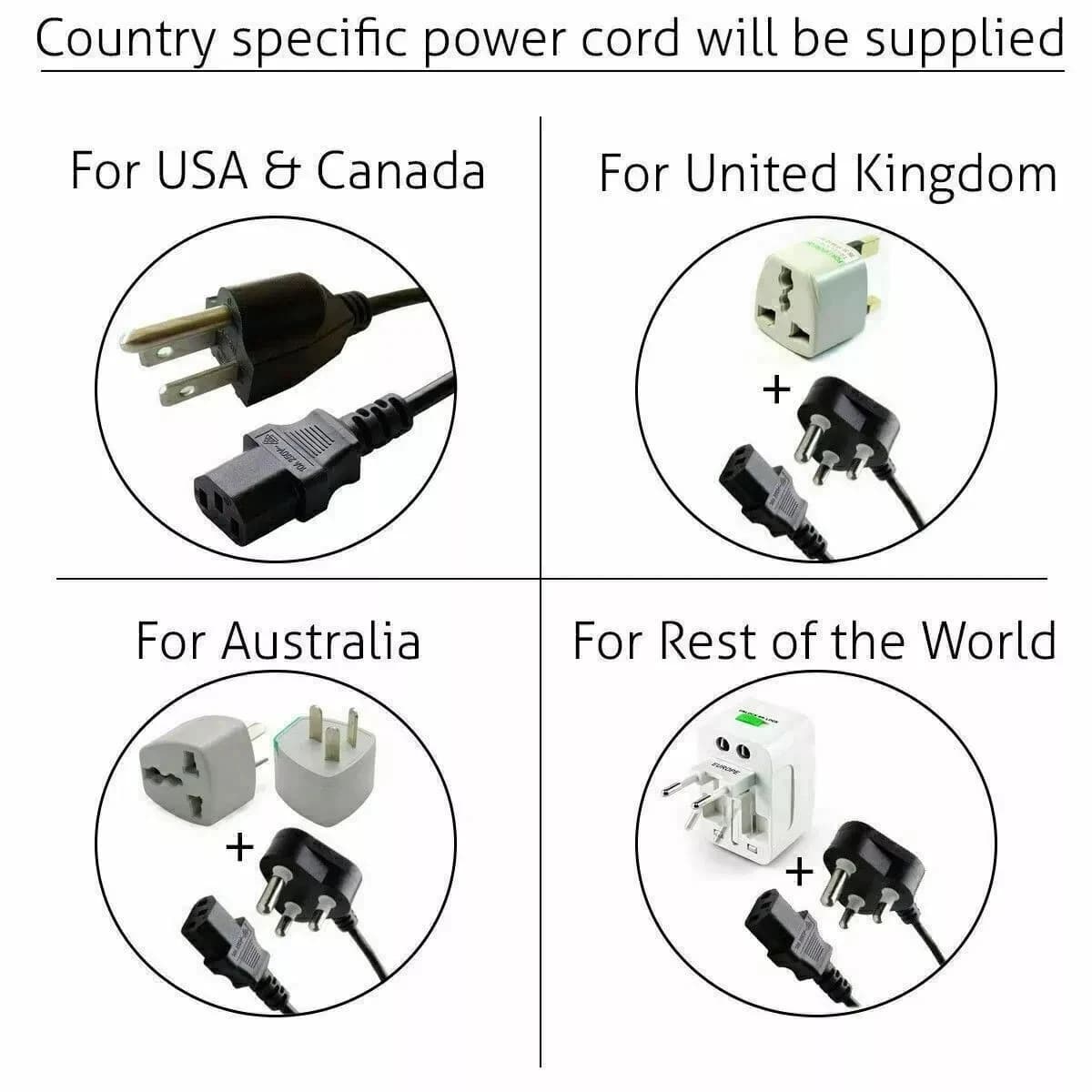
- 1 × AC Power Cable Supportive 110V/ 220V (50Hz/ 60Hz)
- 1 × Padded Black Carry Bag with shoulder strap and zip closure
- 1 × User Manual / Instruction Guide
- 1 x Universal Adaptor (Worldwide Socket supportive )
Medical Disclaimer
This equipment is restricted to use by licensed physical therapists, chiropractors, physicians, and qualified healthcare professionals. Practitioners must evaluate all patient contraindications, including the presence of electronic implants, active thrombosis, and localized malignancies, prior to initiating any treatment protocol.
FAQ
Q. What is the difference between the 1 MHz and 3 MHz outputs?
A. The 1 MHz frequency utilizes a longer wavelength, depositing therapeutic energy into deep muscles up to five centimeters below the surface. The 3 MHz frequency absorbs much faster, depositing energy exclusively in superficial tissues within two centimeters of the surface.
Q. Can a patient purchase this as a home ultrasound therapy machine?
A. While it is a professional medical device, practitioners may occasionally prescribe it as a home ultrasound therapy machine for specific outpatient rehabilitation programs, provided the patient receives extensive prior clinical training.
Q. Is this an effective therapeutic device for joint discomfort associated with arthritis?
A. Yes. The thermal effects of the continuous mode increase local blood circulation and tissue extensibility. This makes it a highly effective ultrasound device for pain reduction and joint mobility improvement in patients with osteoarthritis.
Q. What happens if I use the continuous mode on an acute injury?
A. Continuous output generates localized heat, which exacerbates the inflammatory response and increases local edema in fresh injuries. Acute injuries strictly require the pulsed mode to utilize the mechanical benefits of ultrasonic therapy without raising the tissue temperature.
Q. Can I use standard massage oil as a coupling medium?
A. No. Standard oils and lotions do not possess the correct acoustic impedance required. Using these substances completely blocks sound waves from entering the tissue and causes the transducer crystal to overheat rapidly and fail.
Q. How frequently should the machine undergo professional calibration?
A. Clinical standard practice dictates that piezoelectric devices must be calibrated annually by a certified biomedical technician. This ensures the output intensity displayed on the digital screen matches the actual acoustic energy safely delivered to the patient.
Q. Are there contraindications for this portable 1mhz & 3mhz portable ultrasound therapy machine?
A. Yes. Practitioners must never apply this ultrasound therapy machine over the eyes, reproductive organs, ischemic tissues, active epiphyses in growing children, or directly over the spinal cord following a laminectomy.
Warranty / Support
The manufacturer provides a comprehensive one-year warranty covering internal component defects on the main unit. Transducer probes carry a limited six-month warranty due to their susceptibility to mechanical drop damage. Clinical technical support is readily available through authorized biomedical distributors.
Conclusion
Integrating the Super Pro 1mhz & 3mhz portable ultrasound therapy machine Unit into your practice ensures that you are equipped to handle a vast array of tissue pathologies with clinical precision. Whether deployed within a high-volume physical therapy clinic or utilized for advanced out-patient care, the system delivers consistent, measurable acoustic energy. The reliable performance of this device elevates the standard of patient care and makes the delivery of ultrasound therapy both safe and highly effective.